When choosing workplace footwear, one question often comes up: should you wear high ankle or low ankle safety shoes?
Both designs are widely used across industrial workplaces, but they offer different levels of coverage, flexibility and everyday comfort. The right choice depends on the working environment, the hazards involved and the type of movement required during a shift.
For workers in construction, manufacturing, warehousing and engineering, understanding this difference can make it easier to select suitable safety shoes.
So, what separates high ankle safety shoes from low ankle designs? And which one is better for your workplace?
Let's understand both options.
What Are High Ankle Safety Shoes?
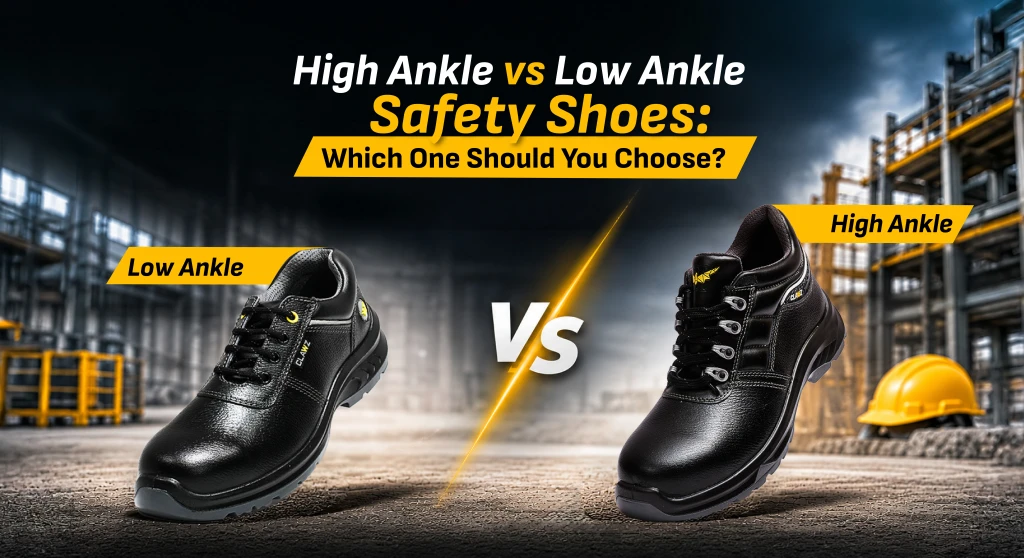
High ankle safety shoes are designed with an upper that extends above the ankle, providing additional coverage around the ankle area compared with low-cut footwear.
They are commonly considered for workplaces where employees move across uneven surfaces, handle heavy materials or work in environments where the ankle area may be exposed to knocks, debris or other hazards.
Depending on the product design, high ankle safety shoes may offer:
Additional coverage around the ankle.
A more enclosed fit around the lower leg.
Protection against certain workplace knocks and external contact.
A suitable design for demanding outdoor and industrial environments.
However, ankle coverage alone does not guarantee ankle injury prevention. The actual protection depends on the footwear's construction, fit and tested performance.
What Are Low Ankle Safety Shoes?
Low ankle safety shoes have a shorter upper that generally ends below the ankle. Their design allows greater ankle movement and provides a more shoe-like fit.
These are often considered for indoor industrial environments, warehouses, assembly lines and workplaces where employees move frequently across relatively even surfaces.
Some common characteristics include:
Greater freedom of ankle movement.
A comparatively lightweight design, depending on the model.
Easier movement during regular walking and standing.
A less restrictive feel around the ankle.
Low ankle safety shoes can be a practical option for workers who prioritise mobility while still requiring appropriate foot protection.
High Ankle vs Low Ankle Safety Shoes: Key Differences
The main difference between these two designs is the height of the upper and the coverage it provides around the ankle.
Comparison factor | High ankle safety shoes | Low ankle safety shoes |
Ankle coverage | Extends above the ankle | Ends below the ankle |
Movement | More coverage, potentially less ankle freedom | Greater ankle movement |
Design | Boot-style construction | Shoe-style construction |
Typical applications | Outdoor sites and demanding industrial environments | Warehouses, workshops and indoor facilities |
Weight | May be heavier, depending on construction | May be lighter, depending on construction |
Fit | Includes additional coverage around the ankle | Offers a more open ankle design |
It is important to remember that these are general design differences. Actual weight, comfort, durability and protective performance vary between products.
When Should You Choose High Ankle Safety Shoes?
High ankle safety shoes may be worth considering when the working environment involves uneven ground, exposed ankle areas or conditions that require additional footwear coverage.
Here are some situations where this design may be suitable.
1. Construction Sites
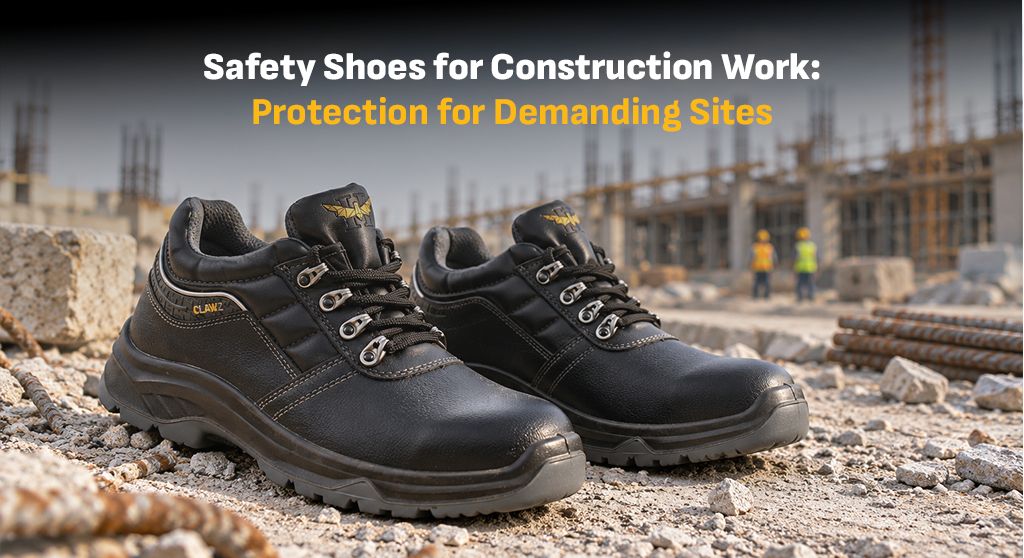
Construction workers regularly move across uneven surfaces, loose materials and areas with heavy equipment.
High ankle footwear may provide additional coverage around the ankle, while the required toe protection, outsole grip and puncture resistance should be selected according to site hazards.
2. Mining and Outdoor Operations
Mining and certain outdoor operations can involve rough terrain, loose debris and changing ground conditions.
A high ankle design may be considered where additional ankle coverage is desirable. The footwear must also meet the specific protection requirements of the site.
3. Heavy Industrial Activities
Workers handling large materials or operating in demanding industrial environments may encounter hazards around different parts of the foot and lower leg.
High ankle safety shoes can be considered where their construction provides useful additional coverage. Other protective features must still be evaluated separately.
4. Workplaces with External Contact Hazards
In certain work environments, the ankle area may be exposed to knocks, contact with materials or debris.
A higher footwear upper can provide additional physical coverage, although it should not be treated as a substitute for task-specific protective equipment.
When Are Low Ankle Safety Shoes a Better Choice?
Low ankle safety shoes may be more suitable for work involving frequent movement, regular walking and indoor operations where additional ankle coverage is not a primary requirement.
1. Warehousing and Logistics
Warehouse employees often move between storage racks, picking stations and dispatch areas.
Low ankle footwear may offer greater freedom of movement for these activities, provided its protective features match the workplace risks.
2. Manufacturing and Assembly Lines
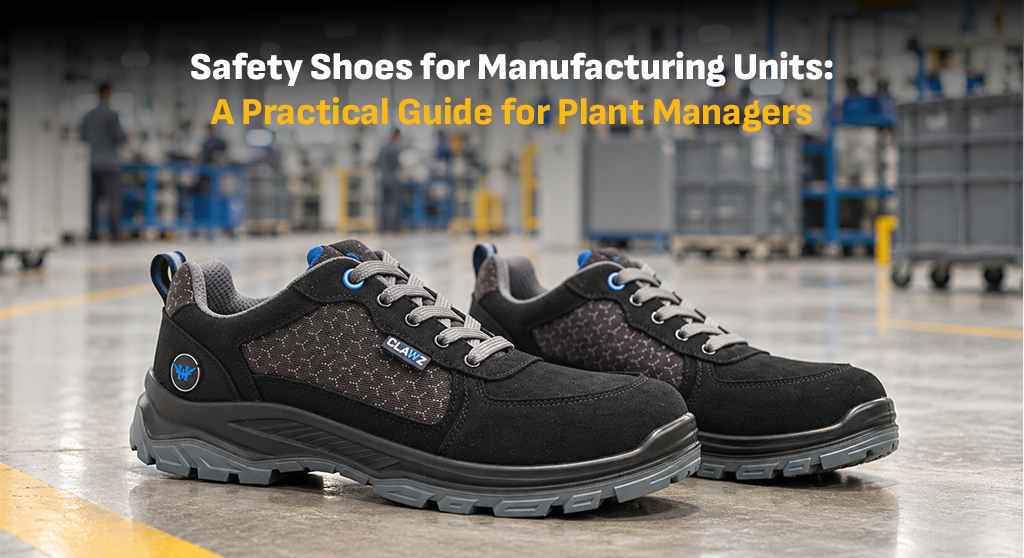
Workers on assembly lines may spend long hours standing or moving between production stations.
A properly fitted low ankle design can be considered where the workplace does not require additional ankle coverage.
3. Workshops and Maintenance Areas
Certain workshop activities involve repeated movement, bending and access to different workstations.
Low ankle safety shoes may offer a less restrictive design, depending on the tasks and hazards involved.
4. Indoor Industrial Operations
In facilities with relatively even floors and controlled working conditions, low ankle designs may be practical for employees who need regular mobility.
However, indoor work does not automatically mean lower risk. Toe protection, slip resistance and other requirements should always be assessed.
Do High Ankle Safety Shoes Offer More Protection Than Low Ankle Shoes?
Not necessarily.
This is an important distinction when comparing safety footwear.
High ankle safety shoes provide more physical coverage around the ankle, but that does not automatically mean they offer better protection against every workplace hazard.
For example, a low ankle safety shoe with suitable toe protection and tested outsole performance may be more appropriate for a particular warehouse operation than a high ankle shoe without the required features.
The level of protection depends on several factors:
Protective toe cap performance.
Outsole grip and slip resistance.
Puncture-resistant construction, where required.
Resistance to specific workplace conditions.
Product certification and applicable safety standards.
Overall fit and construction quality.
Therefore, footwear height should be considered alongside the actual protective specifications.
How to Choose Between High Ankle and Low Ankle Safety Shoes
Before selecting safety shoes, consider the following factors.
1. Understand Your Working Environment
Start by identifying where the footwear will be used. Construction sites, manufacturing facilities and warehouses have different operating conditions.
Consider the floor surface, movement requirements and possible exposure to workplace hazards.
2. Identify the Protection Required
Determine whether the job requires impact protection, compression resistance, puncture protection, slip resistance or specialised properties.
The selected footwear should meet these requirements regardless of whether it has a high or low ankle design.
3. Consider Daily Movement
Employees who walk frequently or move between workstations may prefer a less restrictive design.
Workers operating in outdoor or demanding environments may benefit from additional ankle coverage, depending on the task.
4. Check Fit and Comfort
The footwear should fit securely without creating pressure around the toes, heel or ankle.
High ankle designs should provide a secure fit around the ankle without restricting movement unnecessarily.
5. Verify Product Standards
In India, buyers should check the applicable Bureau of Indian Standards (BIS) requirements and relevant product certification.
The IS 15298 series covers safety, protective and occupational footwear. Buyers should verify the applicable part and current product documentation before making a purchase.
What Are the Safety Shoe Requirements in India?
For businesses and workers purchasing safety footwear in India, product compliance is an important consideration.
The Bureau of Indian Standards provides requirements for different categories of protective footwear. IS 15298 (Part 2):2024 covers safety footwear and is based on the relevant international footwear standard.
When selecting safety shoes, buyers should:
Check the applicable Indian Standard.
Verify the relevant BIS certification and marking.
Review the manufacturer's product specifications.
Confirm the required protective features.
Match the footwear to the workplace risk assessment.
The height of the shoe does not determine its safety classification. Always evaluate ankle design and protective performance as separate considerations.
High Ankle or Low Ankle Safety Shoes: Which One Is Right for You?
There is no universal answer because both designs serve different workplace requirements.
High ankle safety shoes may be worth considering when additional ankle coverage is useful, particularly in certain outdoor and demanding industrial environments.
Low ankle safety shoes may be a practical choice for indoor operations, warehouses and jobs involving frequent movement where additional ankle coverage is not required.
The best approach is to identify the hazards first and then compare the footwear designs, protective features and fit.
Explore Safety Shoes for Different Workplace Requirements
Choosing the right footwear is an important part of workplace safety. Whether a job requires high ankle or low ankle coverage, the focus should remain on suitable protection, product quality and everyday comfort.
Hillson offers a range of industrial footwear options for different working requirements. Explore Hillson safety shoes to review available products and compare their specifications for your workplace.
The right pair is not necessarily the one with the highest ankle coverage. It is the one that provides the protection your job requires while allowing you to work comfortably and confidently.
Frequently Asked Questions About High Ankle and Low Ankle Safety Shoes
1. What is the difference between high ankle and low ankle safety shoes?
High ankle safety shoes extend above the ankle and provide additional coverage around that area. Low ankle safety shoes end below the ankle and allow greater ankle movement. Both can provide protective features depending on their specifications.
2. Are high ankle safety shoes better than low ankle safety shoes?
Neither design is universally better. High ankle shoes provide additional ankle coverage, while low ankle designs allow greater freedom of movement. The right option depends on the workplace hazards and job requirements.
3. Are low ankle safety shoes suitable for construction work?
They may be suitable for certain construction tasks if they provide all the required protective features. However, workers should assess ground conditions, ankle-area hazards, puncture risks and site-specific safety requirements before selecting footwear.
4. Are high ankle safety shoes suitable for warehouse workers?
They can be used in warehouses when their specifications match the workplace requirements. However, low ankle designs may also be suitable for employees who frequently walk across even indoor surfaces.
5. Do high ankle safety shoes prevent ankle injuries?
High ankle footwear provides additional coverage around the ankle, but its height alone does not guarantee injury prevention. Ankle injury risk depends on several factors, including ground conditions, footwear fit and the nature of the activity.
6. Are high ankle safety shoes heavier than low ankle shoes?
They may be heavier because of their additional upper material and construction. However, actual weight varies by product, materials and design.
7. What should I check before buying safety shoes in India?
Check the applicable BIS standard, product certification, toe protection, outsole performance, additional protective features, size and fit. Always choose footwear according to the hazards of your workplace.