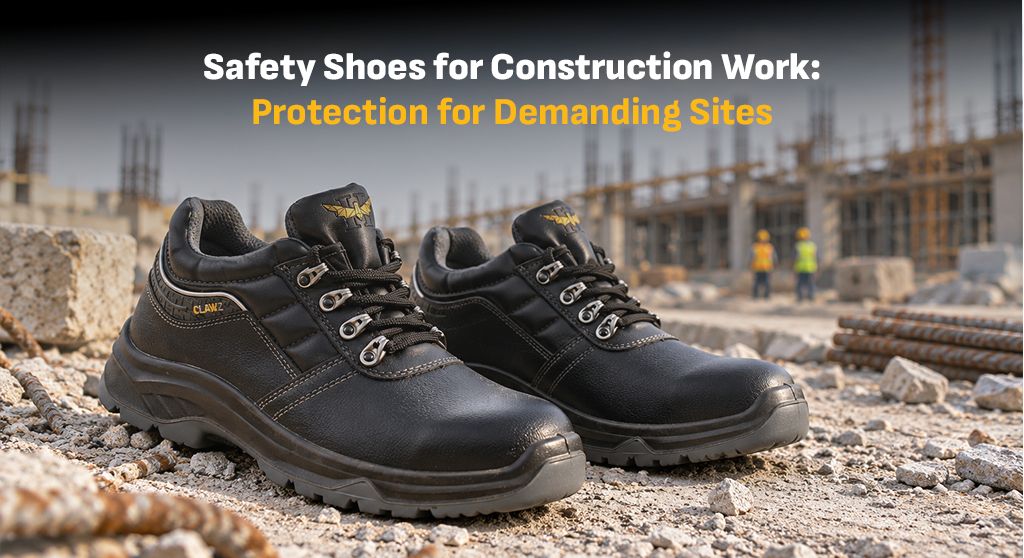
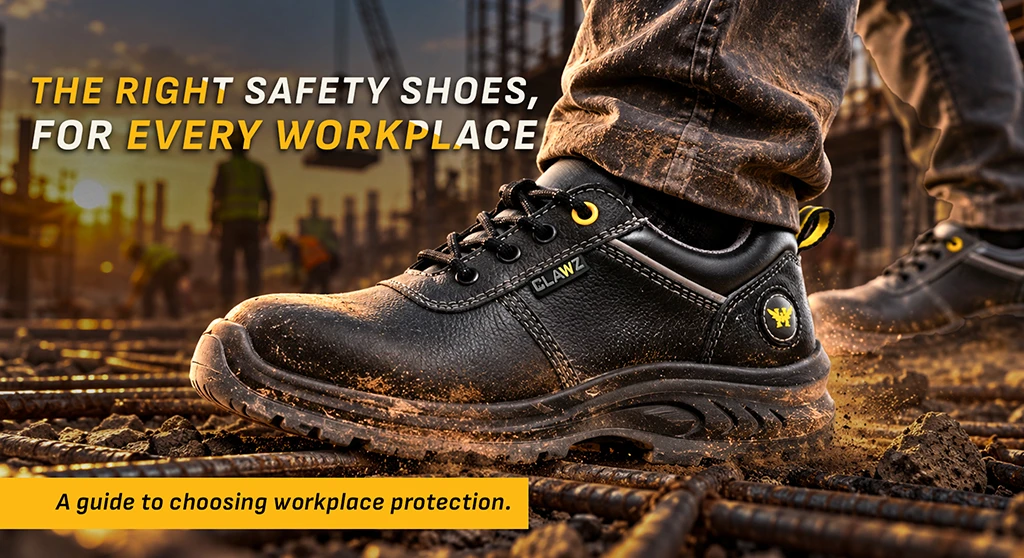
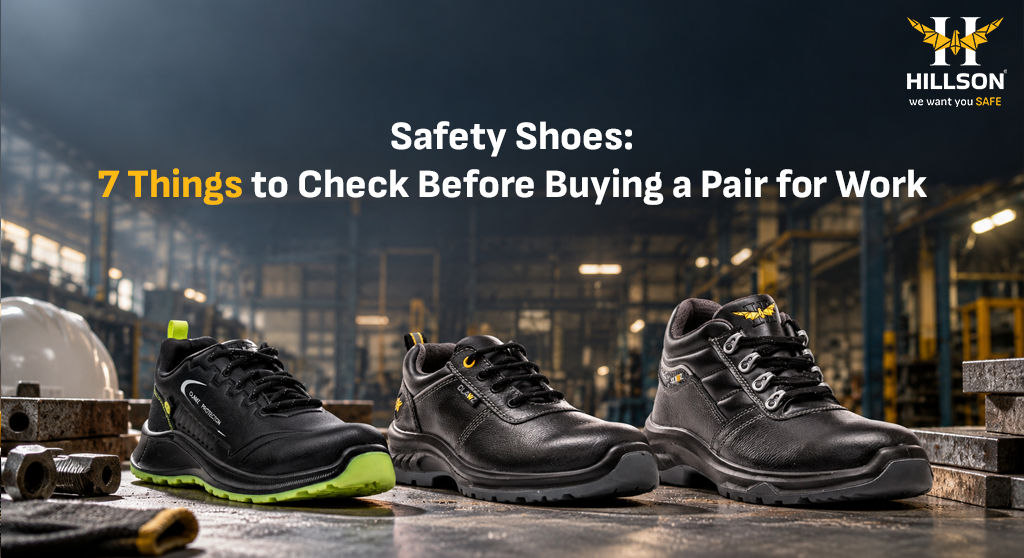
A construction site can change throughout the day. Materials arrive, structures take shape, equipment moves between work areas and the ground conditions can vary from one section to another. Amid all this activity, workers' feet face risks that ordinary footwear may not be designed to handle.
Choosing the right safety shoes is therefore an important part of construction-site safety. The right pair should match the hazards workers face, provide the required protection and remain suitable for the demands of the job.
But what should construction workers and site managers actually look for? From protective toe caps to sole grip and puncture resistance, several factors deserve attention before buying.
Why Are Safety Shoes Important on Construction Sites?
Construction work involves materials, tools and equipment that can create foot-related hazards. The risks vary depending on whether someone works in excavation, masonry, steel fabrication, building construction or site maintenance.
Common hazards include:
Falling objects: Bricks, tools, metal components and other materials may fall onto workers' feet.
Sharp objects underfoot: Nails, metal fragments and debris can create puncture risks.
Uneven ground: Rubble, loose materials and unfinished surfaces can make walking more challenging.
Slippery surfaces: Rain, mud, dust or certain construction materials can affect traction.
Heavy equipment: Workers may move around vehicles, machinery and materials that create impact or compression hazards.
Suitable safety shoes can help protect against specific hazards when their protective features match the work being performed. They are not a substitute for site safety procedures, training or other required personal protective equipment.
What Features Should You Look for in Construction Safety Shoes?
Not every construction site presents the same risks. Before selecting footwear, consider the following features in relation to the actual working conditions.
1. Protective Toe Caps for Impact Hazards
Construction workers may handle heavy tools, building materials and metal components. Where falling objects or compression hazards are present, safety shoes with suitable protective toe caps can help protect the toes.
Steel and composite toe caps are available in different footwear designs. Buyers should compare the product's tested protective specifications and ensure they meet the requirements of the job.
The choice should not be based on material alone. What matters is whether the footwear provides the required level of protection for the identified hazard.
2. Sole Grip for Changing Ground Conditions
Construction workers rarely spend an entire shift on the same type of surface. They may move between concrete floors, dusty areas, outdoor paths and wet sections of a site.
The outsole should provide traction appropriate to the conditions in which the footwear will be used. Buyers should check the manufacturer's specifications for slip resistance rather than assume that every safety shoe performs equally on wet or contaminated surfaces.
Good footwear selection also needs to account for housekeeping and site conditions. Even suitable soles cannot eliminate every slipping risk.
3. Puncture Resistance Where Required
Nails, wires and sharp construction debris can pose puncture hazards, particularly in areas where waste materials accumulate.
If a site assessment identifies this risk, consider safety shoes with a suitable puncture-resistant midsole or other specified puncture protection.
Not all safety shoes include this feature. Check the product documentation before assuming that a protective toe cap also protects the underside of the foot.
4. Ankle Coverage and Support
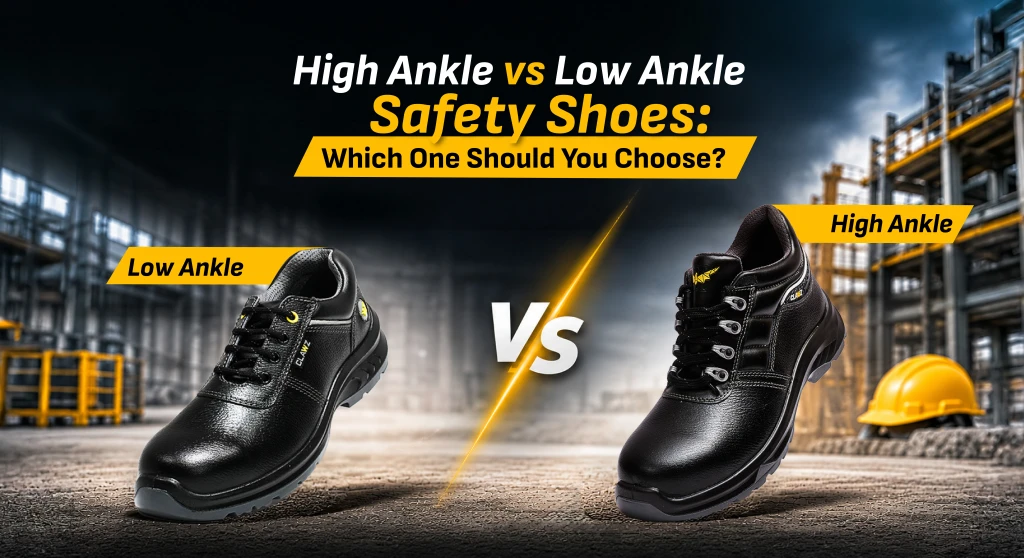
Some workers prefer high-ankle footwear because it covers more of the ankle. However, ankle coverage alone does not guarantee protection against ankle injuries.
The appropriate design depends on the task, fit, ground conditions and the footwear's tested protective properties. Site managers should assess the actual requirement instead of choosing a shoe based on height alone.
5. Comfort for Long Working Hours
Construction workers may spend hours walking, standing, climbing stairs or moving between work areas. Poorly fitting footwear can lead to rubbing, pressure and discomfort.
When trying on safety shoes, check for:
Enough room for the toes to move comfortably.
A secure fit around the heel.
No excessive pressure across the top or sides of the foot.
Suitable comfort when worn with the socks used at work.
A manageable weight for the tasks performed.
A shoe should fit securely without squeezing the foot. Comfort matters, but the footwear must still meet the protective requirements of the site.
6. Durability for Demanding Work
Construction footwear may experience repeated friction, contact with rough surfaces and frequent movement throughout the day.
Consider the upper material, stitching, outsole construction and the manufacturer's guidance for the intended conditions. Check the product specifications rather than relying on appearance or broad labels such as “heavy-duty”.
Where the site involves exposure to chemicals, elevated temperatures or other specialised hazards, verify that the footwear is specifically designed and tested for those conditions.
Which Safety Shoes Are Suitable for Different Construction Jobs?
The right footwear depends on the work being performed, not simply the job title.
Construction task | What to assess |
Masonry and bricklaying | Falling materials, toe protection, ground conditions and grip |
Steel fabrication and installation | Impact, compression and potential sharp-edge hazards |
General building work | Mixed site hazards, fit, durability and suitable outsole performance |
Excavation and ground work | Uneven terrain, sharp debris and any water-related requirements |
Electrical installation | The exact electrical hazard and the specified protection required |
Material handling | Falling or rolling objects, toe protection and surface conditions |
This table is a starting point, not a universal footwear specification. A construction site manager should assess each task and select products that match the identified hazards.
How Can Site Managers Choose Safety Shoes for a Construction Team?
When purchasing footwear for multiple workers, a structured selection process can help avoid mismatched products and unnecessary replacement costs.
Step 1: Assess the site. Identify the hazards in different work areas, including impact, compression, puncture and slipping risks.
Step 2: Define the required protection. Specify the protective features and applicable safety standards needed for each task.
Step 3: Check product documentation. Verify the manufacturer's specifications, certification or marking where applicable, and the suitability of the footwear for the intended conditions.
Step 4: Confirm fit and sizes. Check the available size range and establish a process for selecting the correct size for each worker.
Step 5: Compare products fairly. Evaluate suitable options using the same criteria: protection, construction, fit, expected durability and price.
Step 6: Plan inspections and replacement. Establish a process for reporting damage and replacing footwear that no longer provides its intended protection.
This approach helps procurement teams focus on suitability rather than selecting products based only on appearance or purchase price.
What Safety Standards Should Buyers Check in India?
When purchasing safety shoes in India, buyers should verify the applicable Indian Standard and the product's relevant certification or marking.
The Bureau of Indian Standards (BIS) lists IS 15298 for personal protective footwear, with different parts covering different footwear categories. For example, IS 15298 (Part 2) addresses safety footwear, while Part 3 addresses protective footwear. The applicable standard and current requirements should be checked against the specific product and its intended use.
Before placing an order, buyers should:
Check the applicable standard and its current version.
Verify relevant certification and marking requirements.
Review the product's stated protective features.
Confirm that the footwear matches the hazards identified on site.
Consult current BIS documentation where clarification is needed.
A safety claim or product description alone does not establish compliance. The relevant documentation should support the protection being claimed.
What Mistakes Should You Avoid When Buying Construction Safety Shoes?
Choosing footwear based only on price
A lower price does not establish that a shoe is suitable for the job. Compare the required protective features, fit and product specifications before making a decision.
Assuming every safety shoe is puncture-resistant
Protective toe caps and puncture-resistant soles address different hazards. Check both requirements separately.
Ignoring the actual site conditions
Footwear suitable for a dry indoor floor may not be appropriate for a muddy outdoor site. Consider the surfaces and substances workers encounter.
Treating all electrical protection as the same
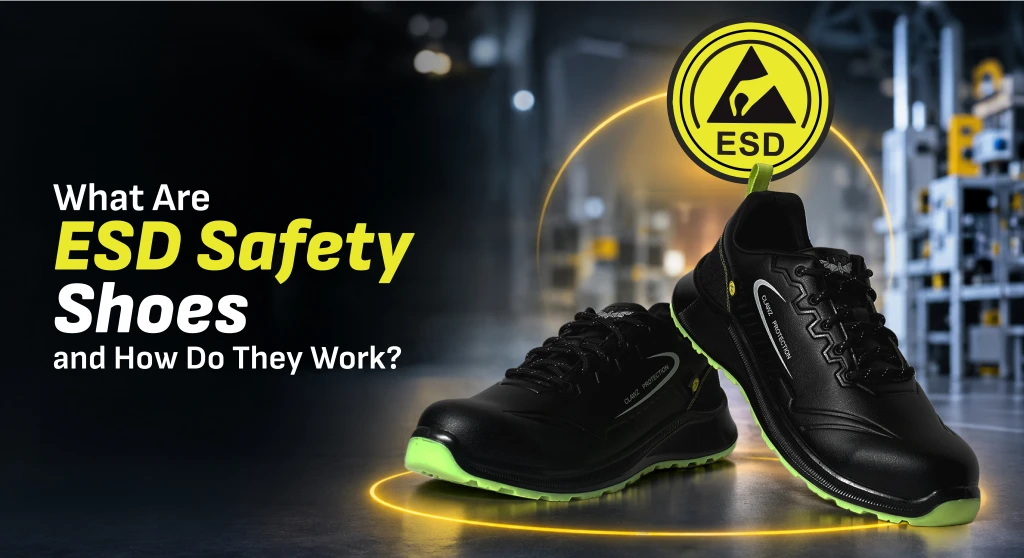
ESD, anti-static and electrical-shock protective footwear are not interchangeable. Select footwear according to the specific electrical risk and applicable requirements.
Continuing to use damaged footwear
Inspect footwear regularly for damaged soles, worn tread, loose stitching and other deterioration. Follow the manufacturer's guidance and assess damage promptly.
Frequently Asked Questions About Safety Shoes for Construction Work
Which safety shoes are best for construction workers?
The best safety shoes are those that meet the hazards and requirements of the specific construction task. Buyers should assess toe protection, sole grip, puncture risks, fit and any additional protective features required on site.
Are steel toe safety shoes necessary for construction work?
Where impact or compression hazards exist, suitable protective toe caps may be necessary. Whether a steel toe design is appropriate depends on the risk assessment and the product's verified specifications.
Do construction safety shoes need puncture-resistant soles?
Puncture protection is important where workers may encounter nails, sharp metal or other objects underfoot. Site managers should assess this risk and select footwear with the appropriate documented protection where required.
Are high-ankle safety shoes better for construction?
Not automatically. High-ankle designs provide more ankle coverage, but their suitability depends on fit, the work being performed and the footwear's protective properties. Ankle coverage alone does not guarantee injury prevention.
How often should construction workers replace safety shoes?
There is no single replacement interval suitable for every product and site. Inspect footwear regularly and follow the manufacturer's care and replacement guidance. Footwear that is damaged or no longer provides its intended protection should be assessed and replaced as appropriate.
What should buyers check before purchasing safety shoes in India?
Check the applicable Indian Standard, relevant certification or marking, protective features, product documentation and suitability for the working conditions. Verify current requirements with BIS when necessary.
Choose Safety Shoes That Match the Demands of the Site
Construction-site safety starts with understanding the hazards workers face every day. The right footwear should offer the protection required for the task, fit properly and be suitable for the surfaces and conditions in which it will be used.
For site managers, contractors and procurement teams, a careful selection process makes it easier to compare products and choose footwear based on genuine workplace requirements.
Hillson offers a range of safety shoes for industrial and demanding work environments. Construction professionals can explore the available range and review product specifications to identify options that suit their site requirements.
Explore Hillson safety shoes to compare footwear options for demanding work environments.