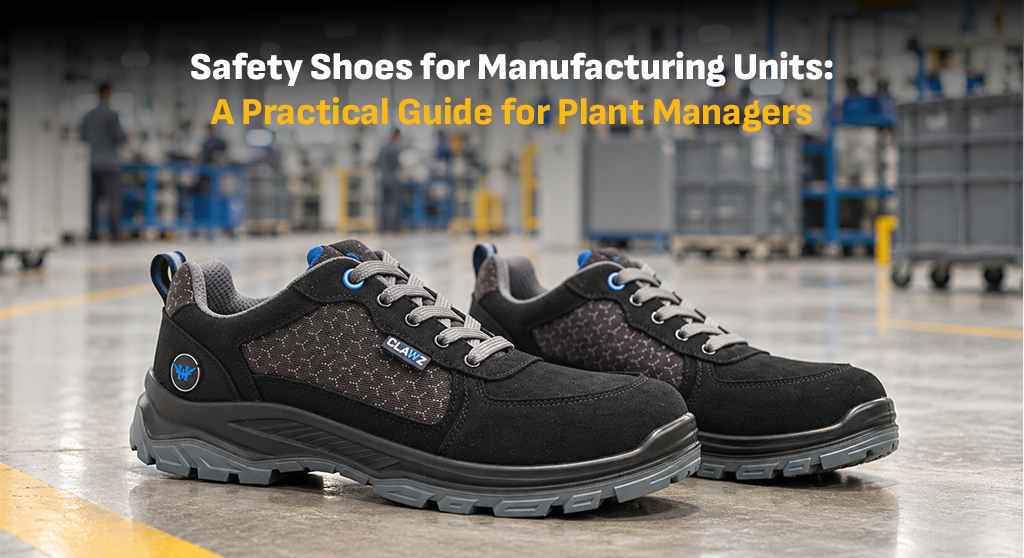
A manufacturing floor can look organised and controlled, yet foot-related hazards can arise at almost any stage of production. A component dropped near an assembly line, sharp metal scraps on the floor or a slippery surface around machinery can put workers at risk.
That is why choosing the right safety shoes should be an important part of a plant's workplace safety planning.
For plant managers, the challenge is not simply purchasing protective footwear for the entire workforce. It is identifying the hazards different teams face, understanding which protective features they need and selecting footwear that workers can wear comfortably throughout their shifts.
This guide explains how to choose safety shoes for manufacturing units, what features to evaluate and what to check before placing a bulk order.
Why Are Safety Shoes Important in Manufacturing Units?
Manufacturing environments involve different processes, materials and equipment. The risks faced by a machine operator may differ from those faced by a warehouse employee or a maintenance technician.
Depending on the workplace, workers may encounter:
Heavy components that could fall or roll onto their feet.
Sharp materials, metal scraps or other objects that could puncture the sole.
Wet, oily or contaminated floors that may increase slipping risks.
Hot surfaces or materials in certain production processes.
Electrical or electrostatic hazards in specialised working environments.
Suitable safety shoes help address specific foot-related hazards when selected for the intended application and used correctly.
However, no single pair provides every type of protection. Plant managers should begin with a workplace risk assessment and select footwear according to the actual conditions in each work area.
What Features Should Plant Managers Look for in Safety Shoes?
Before selecting safety shoes for manufacturing units, evaluate the following features against the hazards identified in the plant.
1. Protective Toe Caps
Manufacturing workers may handle metal parts, tools, machinery components and heavy materials. In areas where impact or compression hazards exist, suitable protective toe caps can help protect the toes.
Steel and composite toe caps are two options available in protective footwear. The choice should depend on the product's tested specifications, workplace requirements and applicable safety standards—not simply the material of the toe cap.
2. Sole Grip for Factory Floors
Factory floors can vary considerably. Some areas may remain dry, while others may be exposed to water, oil, dust or production residues.
Safety shoes with appropriate outsole properties can help workers maintain traction on the surfaces for which the footwear has been designed and tested.
Plant managers should identify the actual floor conditions before selecting footwear. A general claim of slip resistance should not replace checking the manufacturer's specifications for the intended environment.
3. Puncture Protection Where Required
Sharp metal scraps, nails, wires and other objects can create puncture hazards in certain manufacturing areas.
Where a risk assessment identifies this hazard, plant managers should check whether the selected footwear provides suitable puncture-resistant protection. Not every safety shoe includes a puncture-resistant midsole, so the relevant product specification must be verified.
4. Comfort for Long Shifts
Manufacturing workers may spend several hours standing, walking between workstations or moving materials.
Footwear that fits poorly can cause rubbing, pressure and discomfort. When evaluating safety shoes, check the available sizes, toe room, heel fit, weight and overall construction.
Comfort should not come at the expense of protection. The right pair must meet the safety requirements of the job while fitting the wearer properly.
5. Material and Construction Quality
The upper, outsole, stitching and overall construction influence how footwear performs during daily use.
Plant managers should consider the working environment, expected wear, exposure to workplace substances and the manufacturer's care instructions. Product specifications are more useful than relying on appearance or broad claims such as “heavy-duty”.
6. Specialised Protection for Specific Processes
Some manufacturing environments require additional footwear properties.
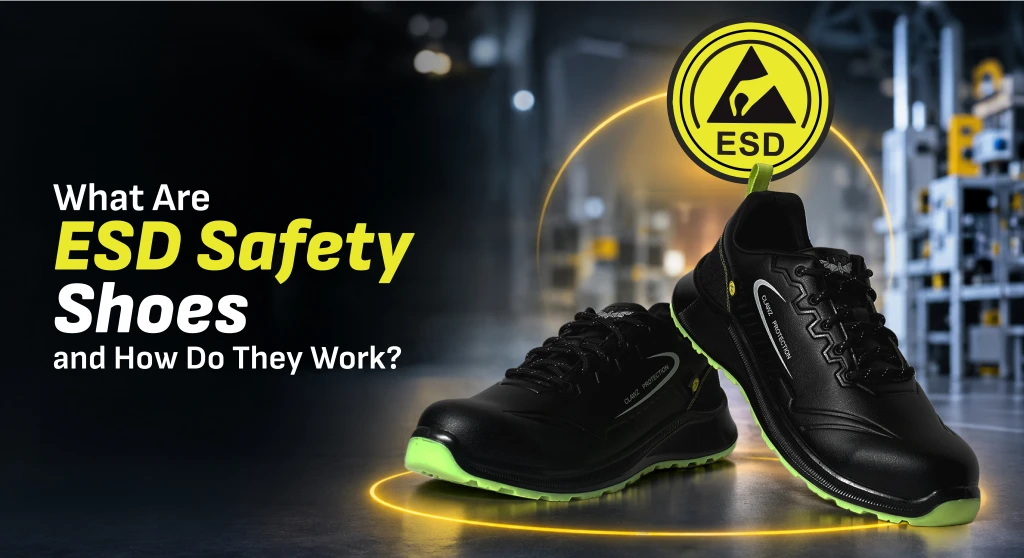
For example, electronics production may require electrostatic discharge (ESD) control. Certain environments may require resistance to particular chemicals or elevated temperatures.
These features are not interchangeable. ESD footwear, anti-static footwear and footwear designed to protect against electrical shock serve different purposes. Plant managers should confirm the exact requirement before choosing a product.
How to Choose Safety Shoes for Different Manufacturing Departments
A manufacturing plant may have several departments, each with different foot-protection requirements.Department or work area | What to assess when selecting footwear |
Assembly line | Toe protection, fit and comfort during repeated movement |
Metal fabrication | Impact, compression and potential puncture hazards |
Warehousing and dispatch | Falling or rolling objects, walking surfaces and grip |
Machine operation | Machinery-related hazards and the requirements of the specific process |
Maintenance | Changing work conditions, tools, sharp materials and task-specific hazards |
Electronics production | ESD or other electrostatic-control requirements, where applicable |
This is a starting point, not a universal footwear specification. The same department may involve different hazards from one factory to another.
A task-based assessment helps plant managers avoid two common mistakes: purchasing footwear with insufficient protection or paying for features that do not address the actual risks.
What Safety Standards Should Manufacturing Units Check in India?
Safety shoes should be selected using verified product specifications and applicable Indian requirements.
The Bureau of Indian Standards (BIS) lists the IS 15298 series for safety, protective and occupational footwear. The relevant part depends on the type of footwear and its intended purpose.
Before purchasing, plant managers should:
Verify the applicable Indian Standard and its current requirements.
Check the product's certification and marking where applicable.
Confirm that the stated protective features match the identified workplace hazards.
Review manufacturer documentation rather than relying solely on a seller's description.
Check the latest applicable BIS requirements when preparing procurement specifications.
A standard or certification marking should be verified for the particular product. It should not be assumed that every shoe marketed as industrial footwear meets the same requirements.
How Can Plant Managers Select Safety Shoes for Bulk Procurement?
Purchasing footwear for an entire workforce requires a consistent process. A low unit price may appear attractive, but the product must also be appropriate for the work being performed.
Use this checklist before finalising an order.
Step 1: Map workplace hazards. Identify the foot-related risks in each department and record the protection required.
Step 2: Define product specifications. Document the required toe protection, outsole properties, additional protective features and applicable standards.
Step 3: Check fit and size availability. Review the available size range and establish a process for confirming workers' sizes before ordering.
Step 4: Compare suitable products. Evaluate verified specifications, construction, fit, expected durability and cost. Compare products against the same requirements.
Step 5: Verify documentation. Check relevant certification, markings and product information before approving the purchase.
Step 6: Establish inspection and replacement procedures. Tell workers how to report damaged footwear and follow the manufacturer's recommendations for inspection, care and replacement.
This approach helps procurement teams make decisions based on workplace needs rather than price alone.
What Common Mistakes Should Plant Managers Avoid?
Even a well-planned purchase can fall short if the selection process overlooks important details.
Choosing one shoe for every department
Different work areas can have different hazards. Assess the requirements of each role before standardising footwear across the plant.
Focusing only on price
A lower purchase price does not establish that a product is suitable. Compare protective specifications, fit, construction and applicable standards.
Assuming every safety shoe has the same features
Toe protection, puncture resistance, slip resistance and specialised electrical properties vary by product. Confirm each feature instead of assuming it is included.
Ignoring worker fit
Footwear that does not fit properly may cause discomfort and reduce willingness to wear it consistently. Include size availability and fit checks in the procurement process.
Overlooking inspection and replacement
Protective footwear can deteriorate with use. Establish a clear process for reporting visible damage and replacing footwear when it no longer provides its intended protection.
Frequently Asked Questions About Safety Shoes for Manufacturing Units
Which safety shoes are best for manufacturing workers?
The best safety shoes are those that match the hazards of the job. Plant managers should assess impact, compression, puncture, slip and any specialised risks before choosing a suitable product.
Are steel toe safety shoes necessary in every factory?
Not necessarily. Toe protection should be selected according to the workplace risk assessment and applicable requirements. Where impact or compression hazards exist, suitable protective toe caps may be necessary.
Do all industrial safety shoes have slip-resistant soles?
No. Outsole properties differ between products. Check the manufacturer's specifications and confirm that the footwear is suitable for the actual floor conditions.
How should a plant manager choose safety shoes for bulk orders?
Start with a department-wise risk assessment, create product specifications, confirm size availability, compare suitable products and verify the required documentation before placing an order.
How often should manufacturing workers replace safety shoes?
There is no single replacement interval that applies to every shoe and workplace. Inspect footwear regularly and follow the manufacturer's guidance. Damaged or deteriorated footwear should be assessed promptly and replaced when it no longer provides its intended protection.
What should buyers check before purchasing safety shoes in India?
Check the applicable Indian Standard, relevant certification or marking, product specifications, protective features and suitability for the intended work. Verify the latest requirements with BIS where necessary.
Choosing the Right Safety Shoes for Your Plant
Selecting safety shoes for a manufacturing unit is a workplace safety decision, not simply a footwear purchase. Plant managers need to understand the hazards in each department, define the required protective features and verify that the selected products meet the relevant specifications.
A structured approach makes it easier to compare footwear, plan bulk procurement and establish consistent inspection procedures across the workforce.
For manufacturing businesses evaluating protective footwear, Hillson offers a range of safety shoes for industrial applications. Plant managers can explore the available range and review product specifications to identify options that match their workplace requirements.
Explore Hillson safety shoes and compare the available options for your manufacturing workforce.