Choosing the right safety shoes for men means finding footwear that matches your workplace hazards, provides the required protection and remains comfortable throughout the working day. The right pair depends on where you work, the risks you face and how many hours you spend on your feet.
Whether you're working in manufacturing, construction, automotive, warehousing or engineering, here's what to consider before buying protective footwear.
What Should You Look for in Safety Shoes?
The most important factors are toe protection, grip, fit, comfort and the applicable safety standards. Your final choice should depend on the hazards and conditions of your workplace.
Before buying, check these features:
Toe protection: Helps protect against impact and compression hazards.
Slip-resistant outsole: Provides grip suited to the workplace surface.
Comfort and fit: Supports comfortable wear during long shifts.
Sole construction: Should match the demands of your working environment.
Safety certification: Check the applicable standard and product specifications.
Breathability and cushioning: Can improve comfort during extended wear.
Not every pair offers the same level or type of protection. Always match the footwear's specifications to your job requirements.
How Do You Choose Footwear for Different Workplaces?
Different work environments require different combinations of protection, grip and comfort. The best choice is the footwear designed for the hazards you actually encounter.
Workplace | Features to consider |
Manufacturing | Toe protection, grip and all-day comfort |
Construction | Toe protection, traction and suitable underfoot protection |
Warehousing and logistics | Comfortable fit, grip and suitable footwear weight |
Automotive | Impact protection and workplace-specific hazard control |
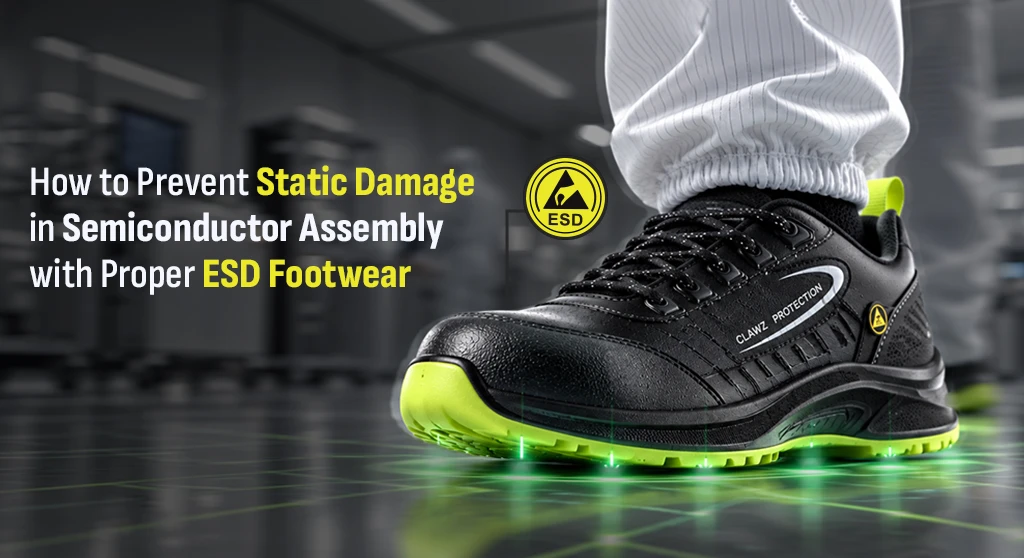
Electronics and ESD-sensitive areas | Footwear with appropriate static-control properties |
For example, workers in electronics manufacturing may need ESD footwear, while people working around heavy materials may require specific impact or compression protection.
The takeaway: Identify the workplace hazard first, then select footwear with the appropriate protective features.
Why Do Safety Standards Matter?
Safety standards establish defined requirements for footwear performance and help buyers evaluate products beyond their appearance or marketing claims.
In India, IS 15298 Part 2 is an important standard for safety footwear. When comparing products, check the applicable standard, certification and individual product specifications.
For workers looking for certified options, Hillson offers a range of ISI-marked safety shoes for different workplace requirements.
Look for verifiable certification rather than relying only on descriptions such as “heavy duty” or “industrial quality.”
Are Safety Shoes Comfortable for Long Working Hours?
Yes, protective footwear can combine safety features with comfort-focused design. The key is to choose a suitable fit and construction for the amount of walking, standing and movement your job involves.
Consider these features:
Correct sizing with enough room for natural toe movement
Cushioned insocks for underfoot comfort
Suitable support for the foot and heel
Breathable materials where appropriate
A weight that works for your daily tasks
Comfort matters because workers may wear their footwear for most of the shift. However, comfort features should never replace the protection required for the job.
Steel Toe vs Composite Toe: What's the Difference?
Steel and composite toe caps are two options used in protective footwear. Both can provide toe protection, but the right choice depends on workplace requirements and the product's certified performance.
Feature | Steel toe | Composite toe |
Material | Steel | Non-metallic materials |
Main consideration | Impact protection | Impact protection with a non-metallic design |
Suitable choice | Where steel-toe footwear meets the workplace requirements | Where a metal-free design is preferred and meets the requirements |
Neither option is automatically best for every workplace. Always check the product specifications and required protection level before deciding.
How Should You Choose the Right Pair?
Use this quick checklist before purchasing industrial safety footwear:
Identify the hazards present in your workplace.
Determine whether you need toe, penetration or other specific protection.
Consider the floor conditions and grip requirements.
Check the applicable safety standard and certification.
Choose the correct size and a comfortable fit.
Confirm that the footwear is suitable for your working environment.
This approach helps you compare products based on protection and suitability rather than appearance or price alone.
Hillson CLAWZ: Safety Footwear for Different Work Requirements
Choosing protective footwear becomes easier when you consider the features needed for your specific job.
Hillson's CLAWZ range includes models with different combinations of steel or composite toe protection, outsole designs, comfort-focused insocks and other application-specific features.
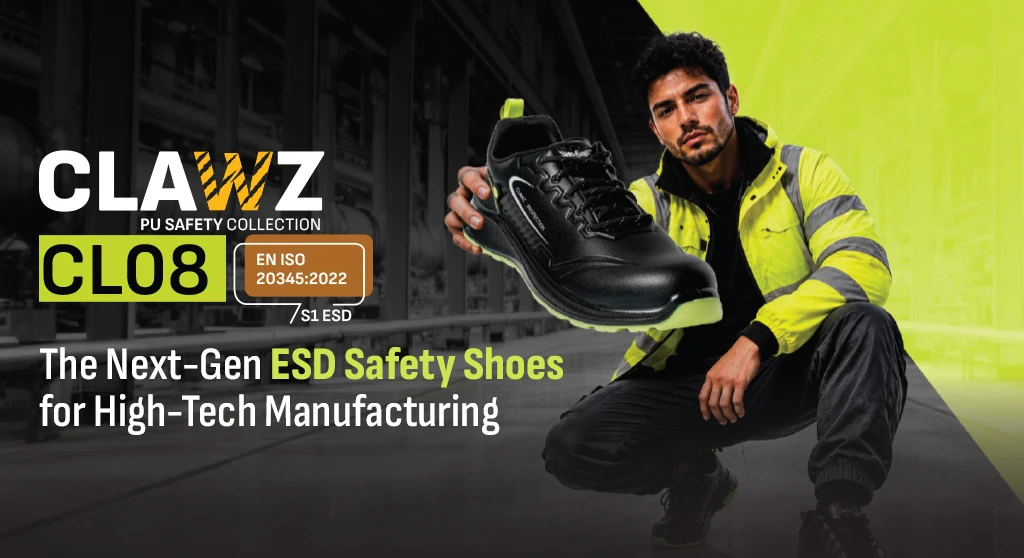
For example, CLAWZ CL-03 features a steel toe cap with 200J impact resistance, a double-density PU sole and Ortho Bounce insocks. For workplaces that require a metal-free design and static control, CLAWZ CL-08 features a composite toe cap and ESD protection, alongside comfort-focused design features.
Specifications and suitability vary by model, so check the individual product details before choosing.
The goal is simple: select footwear that matches your workplace hazards, protection requirements and daily working conditions.
FAQs About Safety Shoes
What are safety shoes used for?
Safety shoes are protective footwear designed to help reduce specific workplace risks, including impact, compression and penetration hazards, depending on their features and certification.
Which safety shoes are best for industrial work?
The right industrial safety shoes depend on the work environment. Consider toe protection, outsole grip, comfort, relevant certification and any additional hazards present at the workplace.
Are lightweight safety shoes suitable for long shifts?
They can be, provided they meet the protection requirements of the job. Check the footwear's fit, comfort features, weight and certified performance before choosing a pair.
Are steel toe shoes better than composite toe shoes?
Not in every situation. Both can provide toe protection, but the appropriate choice depends on the workplace, the required protection and the footwear's specifications.
Which safety standard should I check in India?
IS 15298 is an important Indian standard for safety footwear. Check the applicable part and certification for the specific model you intend to purchase.